Urdu Education Society Akola
From a single school in 1960 to a family of ten institutions — the story of a Society built on conviction, sustained by generations of dedicated leadership.
Our Founding
The Urdu Education Society Akola was founded in 1960 by Late Shri Khan Mohammad Asghar Husain — a man of remarkable public stature and private conscience. As a Member of the Lok Sabha representing Akola, he was intimately familiar with the aspirations and anxieties of ordinary families in the Vidarbha region.
At a time when quality education in the Urdu medium was scarce and access deeply unequal, he chose not merely to advocate but to act. With Usman Azad Urdu High School as the Society's founding institution, he set in motion an educational movement that would endure far beyond his own lifetime — one built not on charity, but on the firm belief that every child, regardless of language, background, or circumstance, deserves an education that opens doors rather than closes them.
That founding school became the seed of a forest. Over the decades that followed, the Society grew steadily and purposefully — adding girls' schools, secondary schools, a junior college, a B.Ed. college, and a Jan Shikshan Sansthan. Each new institution was a direct answer to a community need. And through each addition, the founding spirit remained unaltered: education as a right, not a privilege.
"To educate a child is to light a candle that never goes out."
— Late Shri Khan Mohammad Asghar Husain, FounderMilestones
Late Shri K M Asghar Husain establishes the Urdu Education Society Akola and opens Usman Azad Urdu High School — the first institution and the cornerstone of the Society's mission.
The Society expands its footprint in Akola, opening its second secondary school with a focus on community values and academic discipline.
Four new institutions are added in rapid succession: Gulam Dastagir Khan Urdu High School (1981), Rooh Afza Khanam Urdu Girls High School (1983), and Mansha-ur-Rehman Khan and Smt. Nemat Begum Urdu High Schools (both 1986).
The Society enters higher education with the founding of its B.Ed. college, affiliated with S.G.B. Amravati University and recognised by the NCTE — a landmark in professional teacher training for the region.
A Government of India partnership brings vocational and skill development education to working adults, women, and out-of-school learners in Akola.
Smt. Samina Anjum Urdu Girls High School is established in 2010. The Society today runs ten active institutions, continuing to evolve while remaining true to its founding values.
The People Behind the Purpose
What makes the Urdu Education Society Akola endure is not only its institutions — it is the unbroken chain of committed individuals who have given their time, energy, and conviction to its purpose across generations.
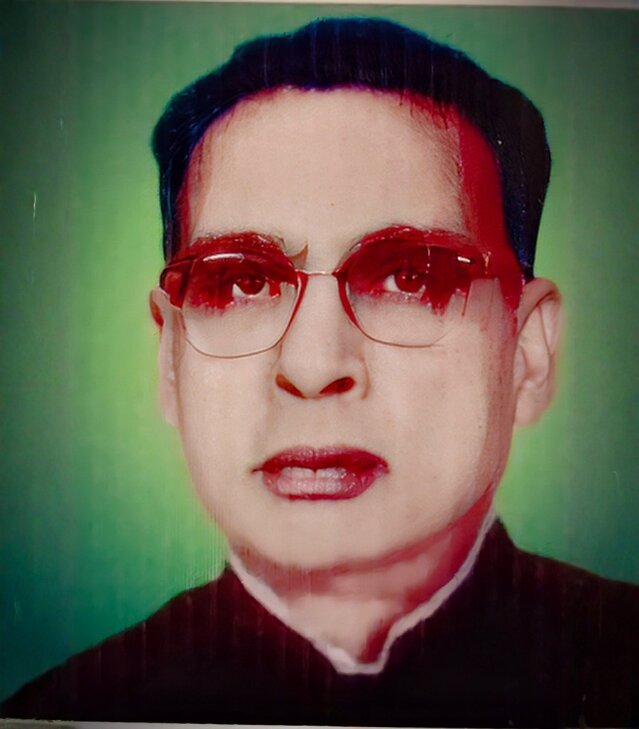
Founder President & Member of Parliament, Akola — Est. the Society 1960
Late Shri Khan Mohammad Asghar Husain was the founding force behind the Urdu Education Society Akola. A sitting Member of the Lok Sabha, he brought legislative vision and grassroots empathy to bear in equal measure. His decision to establish the Society in 1960 was rooted in a deeply-held conviction: that the Urdu-speaking communities of Vidarbha deserved educational institutions that honoured their language and culture without compromising on quality or ambition. The institutions he built, and the values he embedded in them, continue to guide the Society to this day. His legacy is not a relic — it is a living standard.
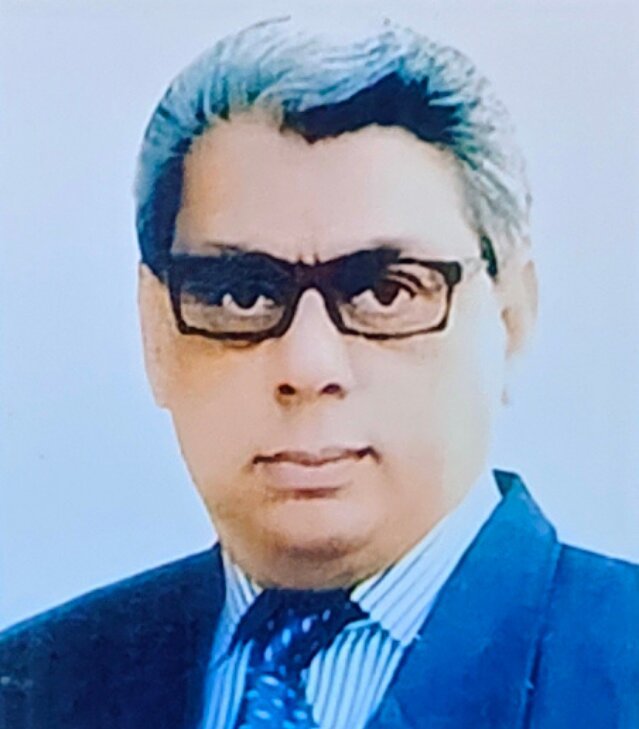
President, Urdu Education Society Akola — Ex-Minister, Government of Maharashtra
Shri K M Azhar Husain carries forward a legacy that is both inherited and deeply personal. As the current President of the Society and a former Minister in the Government of Maharashtra, he brings to the role a rare combination: the political acumen to advocate effectively at the highest levels, and the institutional memory of a family that has been synonymous with education in Akola for over six decades. Under his presidency, the Society has continued to grow and modernise — expanding its reach, strengthening its governance, and affirming its commitment to serving communities that depend on quality Urdu-medium education. His leadership ensures not only continuity with the Society's founding ideals, but a clear-eyed vision for what those ideals must mean in the twenty-first century.
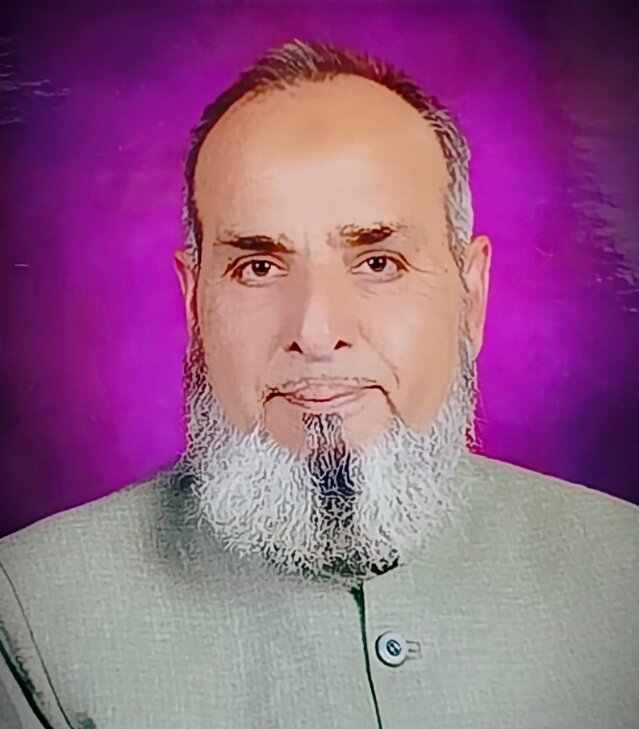
Former Secretary, Urdu Education Society Akola
The Society's journey would be incomplete without honouring the profound contribution of the Late Dr. I. U. Khan, who served as its Secretary with unwavering dedication for many years. Dr. Khan was the institutional backbone of the Society during some of its most formative years of growth — a steady, scholarly hand that translated the founding vision into daily administrative reality. His deep commitment to educational quality, his personal investment in the welfare of students and staff, and his meticulous stewardship of the Society's affairs left an indelible mark on every institution under its umbrella. The standards he upheld and the systems he built continue to serve the Society well. He is remembered with the deepest respect and gratitude by all who had the privilege of working alongside him.
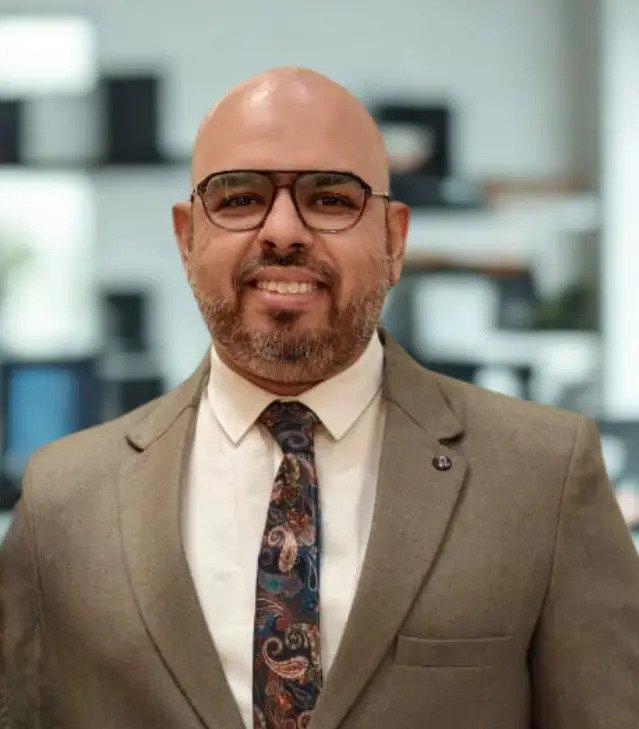
Official Communication
Our Direction
To be the most trusted centre of learning for the Urdu-speaking community and beyond — an institution where academic excellence, cultural identity, and human values grow together.
To provide accessible, high-quality Urdu-medium education across all levels; to nurture teachers and learners who are competent, compassionate, and committed to lifelong learning; and to serve the wider community through academic, vocational, and cultural programmes that leave no one behind.
What We Stand For
We set high standards and pursue them relentlessly — in classrooms, in examinations, and in character.
We celebrate Urdu not just as a language of instruction, but as a living heritage with a rich literary and intellectual tradition.
Education belongs to everyone. We welcome students from all backgrounds and ensure no child is left behind.
We evolve continuously, aligning with national education policy and adopting evidence-based approaches to teaching and learning.
We lead with honesty and transparency in every decision — administrative, academic, and institutional.
We exist to serve our students, their families, and the wider community — today, tomorrow, and for generations to come.
Ten schools and colleges. One enduring mission.